
Diesel Generator Fuel Efficiency: KWh Per Litre Explained
By:Admin
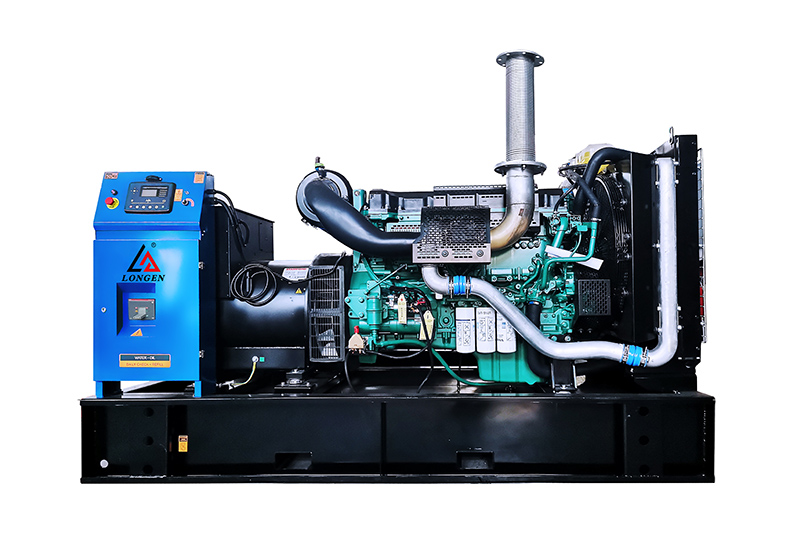
In the ever-evolving landscape of energy generation, diesel generators continue to play a pivotal role, especially in regions where grid stability is a concern or during emergency power outages. A critical metric in assessing the performance and cost-efficiency of diesel generators is the measure of kilowatt-hours (kWh) produced per litre of diesel consumed. This indicator not only reflects the fuel efficiency of the generator but also informs operational costs and environmental impact. Understanding and optimizing diesel generator kWh per litre is essential for companies and consumers aiming to achieve reliable and cost-effective power solutions.
### What Does Kilowatt-Hours Per Litre Mean?
Kilowatt-hours per litre (kWh/l) is a measure of the amount of electrical energy (in kilowatt-hours) that a diesel generator can produce using one litre of diesel fuel. Essentially, it quantifies the generator’s fuel efficiency: a higher kWh per litre value means more energy produced per unit of fuel, signifying better efficiency.
For example, if a diesel generator produces 4 kWh from one litre of diesel, it is more fuel-efficient compared to a generator that produces only 3 kWh per litre. This metric becomes a critical parameter for decision-makers when selecting a generator for commercial or residential use, as it directly influences fuel consumption costs and operational expenditures.
### Factors Influencing Diesel Generator Efficiency
Several factors impact the kWh per litre performance of a diesel generator:
1. **Generator Size and Design:** Larger generators may have different efficiency ratings compared to smaller models, depending on their design and engine technology.
2. **Load Conditions:** Engines typically operate most efficiently at around 75-80% of their rated load. Operating significantly above or below this load can reduce fuel efficiency.
3. **Engine Maintenance:** Regular and proper maintenance ensures that engines function optimally, preventing fuel wastage due to inefficiencies.
4. **Fuel Quality:** High-quality diesel fuels result in better combustion, translating to improved energy generation per litre.
5. **Ambient Conditions:** Temperature and altitude can affect engine performance and fuel efficiency.
### Why Diesel Generators Remain Relevant
Despite the surge in renewable energy sources and electric grid advancements, diesel generators have maintained their relevance due to their reliability, portability, and high power output. They offer prompt energy solutions in diverse settings—from construction sites and hospitals to remote communities and industrial plants.
Moreover, diesel generators are often preferred as backup power sources, ensuring continuity during power outages. The focus on maximizing their fuel efficiency through optimized kWh per litre metrics helps reduce operating costs and carbon footprints.
### Company Overview: Delivering Advanced Energy Solutions
[Company Introduction Placeholder: Insert company introduction here]
As a leader in energy solutions, the company is dedicated to providing high-performance diesel generator systems designed to maximize fuel efficiency and reliability. By leveraging cutting-edge engine technology, comprehensive testing, and customer-specific configurations, the company aims to optimize every litre of diesel consumed, ensuring users receive maximum energy output while minimizing costs and environmental impacts.
The company’s commitment to excellence encompasses a broad range of services, including generator sales, installation, maintenance, and after-sales support, tailored to meet the unique needs of industries ranging from healthcare and manufacturing to telecommunications and emergency response.
### Advancements in Diesel Generator Technology
Innovations in engine design and control systems have significantly improved the kWh per litre of diesel generators. Common advancements include:
- **Electronic Fuel Injection:** Ensures optimal fuel delivery for enhanced combustion efficiency.
- **Turbocharging and Intercooling:** Increase air intake density for improved power and fuel economy.
- **Automatic Load Management:** Balances engine load to operate at peak efficiency.
- **Emission Control Technologies:** Reduce pollutants while maintaining fuel efficiency.
Such technological progress further underlines the importance of kWh per litre as a standard for evaluating diesel generator performance.
### Environmental and Economic Implications
Improving the kWh per litre metric directly aligns with sustainability goals by reducing fuel consumption and associated greenhouse gas emissions. Organizations and communities benefit economically by lowering fuel costs and operational expenses, while also supporting environmental stewardship.
Efficient generators contribute to the broader energy ecosystem by ensuring that diesel-powered backup solutions are as clean and cost-effective as possible, bridging the gap toward more sustainable energy usage.
### Practical Tips for Maximizing Generator Efficiency
- **Operate Close to Optimal Load:** Avoid underloading or overloading the generator.
- **Regular Maintenance:** Conduct timely servicing and replace worn-out components.
- **Use Quality Fuel:** Ensure diesel is free from contaminants.
- **Monitor Performance:** Employ real-time monitoring systems to track fuel consumption and output.
- **Implement Hybrid Systems:** Combine diesel generators with renewable sources to reduce fuel use.
### Conclusion
Understanding diesel generator efficiency through the lens of kWh per litre is crucial for making informed choices in power generation. It empowers users to select generators that offer the best balance of reliability, cost-efficiency, and environmental responsibility.
As energy demands evolve, so too will the technologies and practices aimed at enhancing diesel generator performance. By partnering with industry-leading companies committed to innovation and customer-centric solutions, businesses and communities can ensure they harness diesel power effectively and sustainably.
For more information about optimizing your diesel generator performance and exploring tailored energy solutions, contact [Company Name] today.
---
*Note: The company introduction placeholder should be filled with the specific company’s background, mission, product offerings, and service highlights to personalize the news article.*